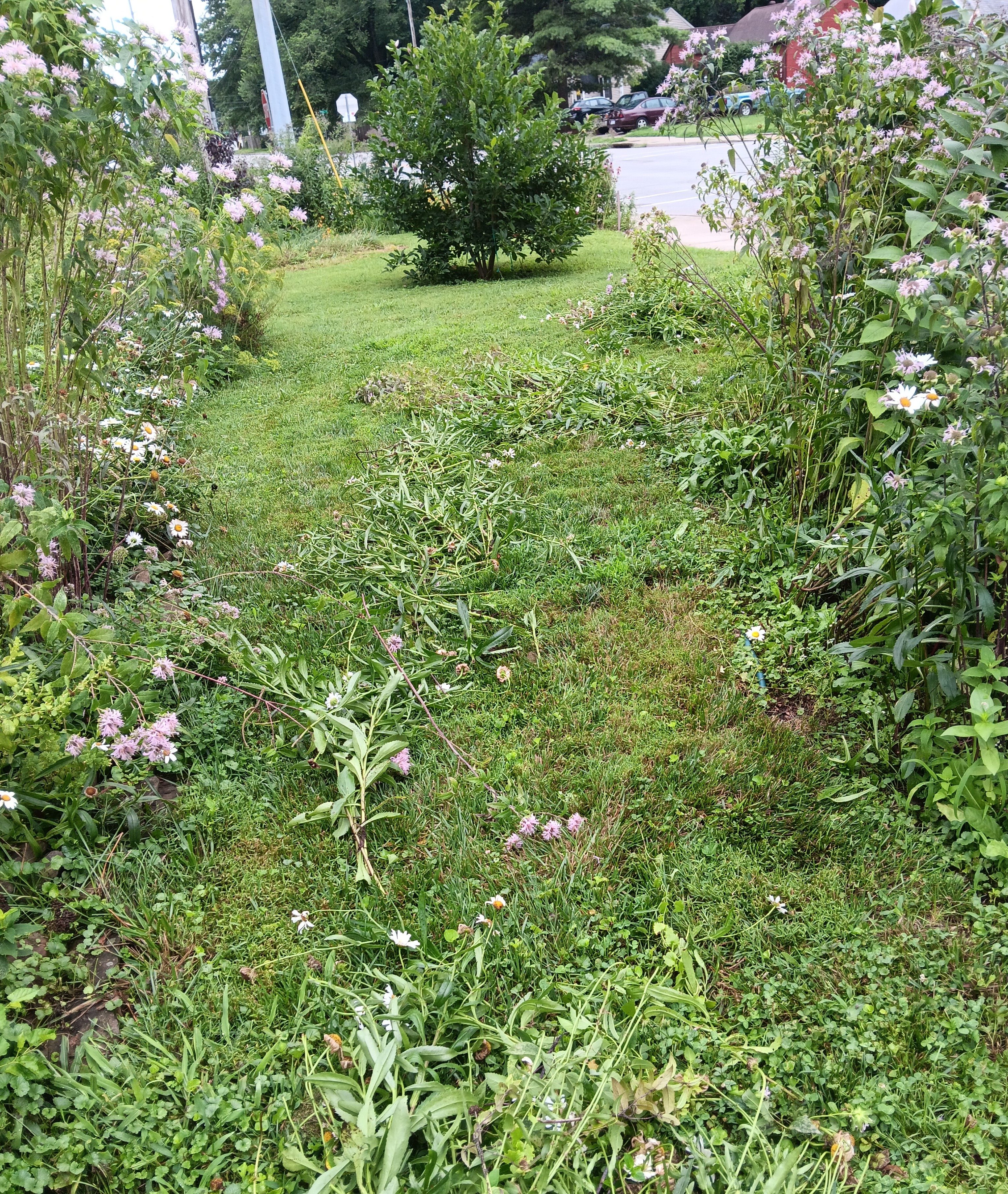
The picture above shows the flowers from my Shasta daisies after being deadheaded, waiting to be collected. Deadheading spent blooms helps the plants build a stronger root system, as their energy shifts toward producing more flowers for reproduction. It made me think of impermanence and how growth, change, and our desires shape us into the best versions of ourselves.
Lately, I’ve been discussing new words and how incorporating them into our vocabulary helps us grow. Understanding the meaning of words allows us to deepen our perspective and shape the way we perceive ourselves and the world around us. Often without realizing it, we constantly observe our surroundings, adapting and adjusting to align with the moments and times we live in.
One word I often find meaningful is impermanence. It’s not something we usually reflect on, but our gardens can offer a way to its significance. In the short term, it reminds us that all life is constantly changing because nothing lasts forever in its present form. In nature, things die but can return, often stronger and better adapted to their environment, either in their current form or a new one. We rarely connect this idea to our spirit, but maybe that’s where we should begin.
The environment we live in greatly influences our growth and helps us discover our purpose and true selves. Yet, many people resist change, choosing to stay the same and merely get by. They often underestimate how valuable change can be. Sometimes, though, we have no choice but to adapt and “make the best of it.” Avoiding necessary changes or waiting for change to happen can lead to a fleeting or unfulfilled life.
When I’m in my yard or garden, I’m constantly reflecting on what thrives and what doesn’t. Plants have been shaped to suit our preferences, and we nurture what we enjoy. We’re always searching for inspiration to reach our fullest potential, staying within our limits while pursuing what brings out the vibrancy of our efforts. Globally, this concept feels like reaching for an ideal, as if nature or spirit is working through us. When we think about impermanence, we often look to those who have walked a similar path and reflect on the legacy they have left behind.
This legacy from the past shapes our memories and spirit, enriching our sense of purpose. Reflecting on and studying impermanence brings to mind Buddhism and the bodhisattva vow. I’ve even written my own manuscript exploring what that could mean. But first, it’s time for the garden and my plants.
And of course it’s raining again. I did add four more chickens to my backyard… but more on that next time.
Leave a Reply