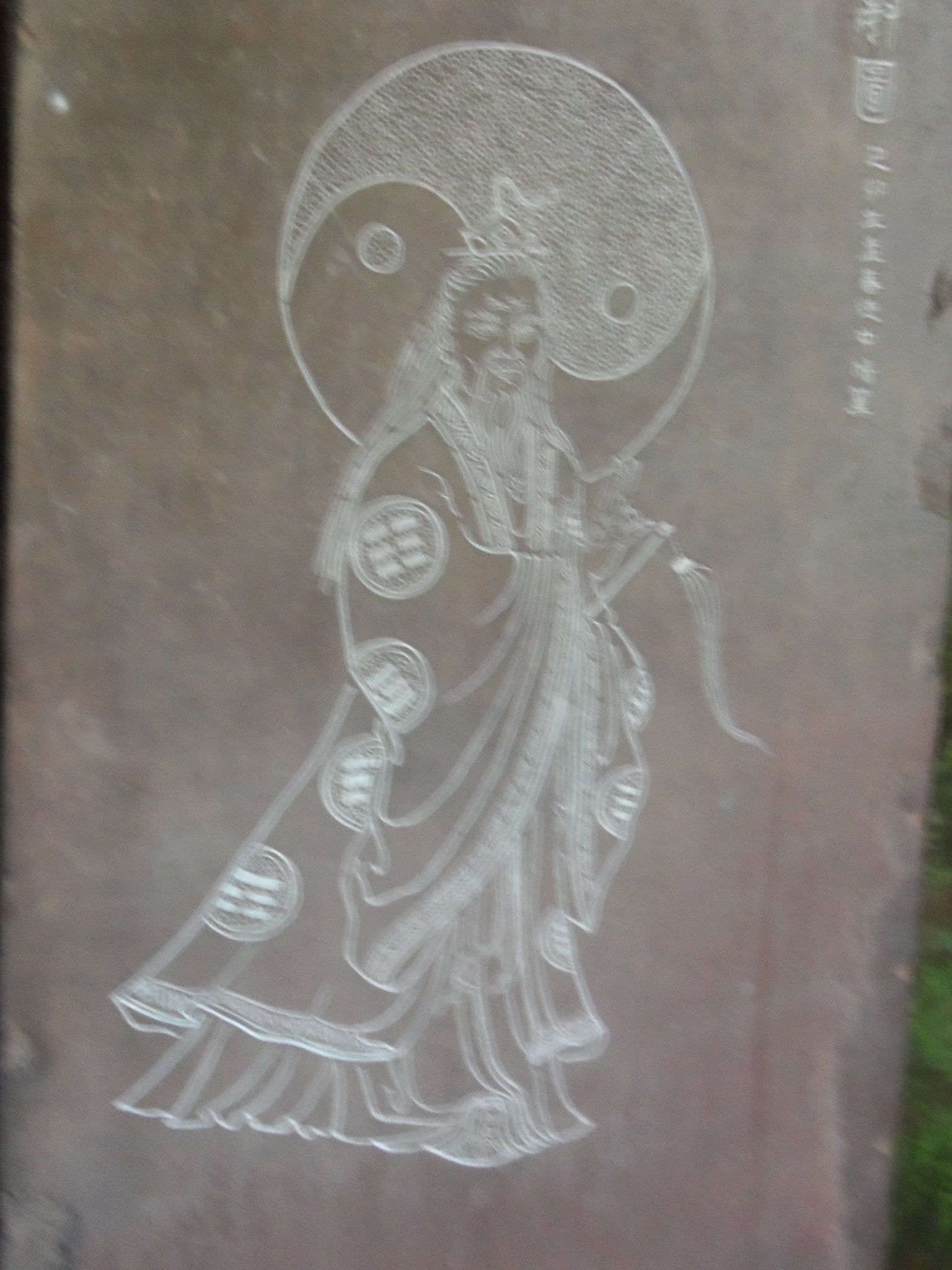
Lao Tzu at the entrance of the Taoist Cave adjacent to the Wuyou Taoist Temple and Giant Leshan Buddha south of Chengdu.
Taoism and Lao Tzu
Lao Tzu’ Tao Te Ching ends with asking us to be sincere with our words. To remain true to what you have learned with the Tao at the helm. That we are not to be seen as enough to be showy or become seen as beautiful.
“Verse 81 closes the Tao Te Ching with the Sage’s final teaching — simplicity, sincerity, and the quiet abundance that comes from giving without possessing. This final chapter reflects the stance of one who has walked the Way and returned to the beginning.”
Verse 81 – Remaining in High Style
Lao Tzu ends the Tao Te Ching by asking us to be sincere with our words and true to what we have learned, with the Tao at the helm. We are not to be showy, nor to seek beauty in the eyes of others. The Sage rests in simplicity, allowing virtue to speak for itself.

Remaining satisfied with just what you have, you become content to live as an extension of the Tao — a reflection of who and where you are.
Living within the Tao, the Sage soon becomes aware that he is nothing more than an expression of nature itself. He enables all things to find their true place, not by acting for them, but by empowering them to see beyond themselves. He stays in the background, doing nothing, yet nothing is left undone.
Imagine a place where tools remain unused, where people have no need to travel far, where death is met without fear. A place with defenses but no need to defend, with destinations but no urge to wander. People rest easily, satisfied with the fruits of their labor, content with their homes, at peace with their customs.
They know the taste of the Tao and are adorned with virtue. Though neighbors live close by, they have no need to visit — for all they require is already within.
Contentment is the Sage’s final teaching. To be at ease with what is, to give without possessing, to act without claiming, to guide without controlling — this is the highest style.
In the end, the Sage accumulates nothing. The more he does for others, the greater his abundance. The more he gives, the more the Tao flows through him. Thus, the Way of Heaven benefits all without harming, and the Sage follows it without striving.
第81章 保持高风格(更新版)

老子以诚实与朴素作结,提醒我们言语须真实,行事须无为。以道为舵,不求外在的华美,不以自我为饰。圣人安于简朴,让德行自然流露。
满足现状,安于所守,你便成为道的延续——成为你所在之处的映照。
活在道中,圣人明白自己不过是自然的呈现。他使万物各得其所,不代替他人行动,却能使他人看见更高的自己。圣人身居幕后,不动声色,而无不成。
想象一个地方,器具闲置,人们无须远行,对生死坦然。那里有去处却无须奔波,有防御却无须防守。人们安居乐业,夜夜高枕无忧;满足于自己的劳动成果,喜爱自己的风俗习惯。他们知晓道的滋味,身披德的光辉。虽有近邻,却因自给自足而无须往来。
知足,是圣人的最后教诲。 不争、不夺、不占、不求,以无为而成万事。
圣人无所积,越是为人,越觉丰盈;越是给予,道越流行。
故天之道,利而不害; 圣人之道,为而不争。
Leave a Reply