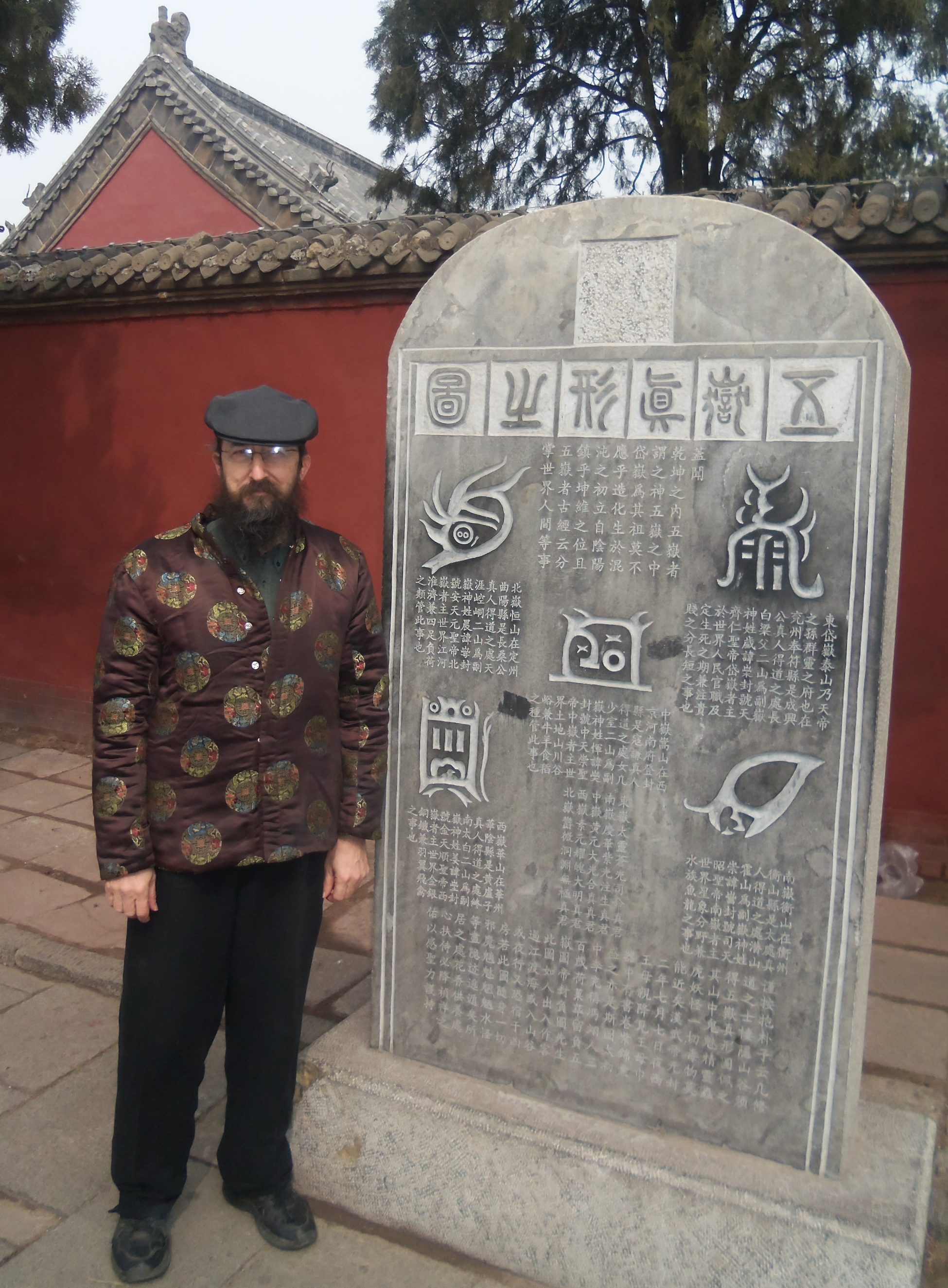
 I like to think about how the words we use shape our vocabulary and how learning new ones can help us see things in a new or different way. When I taught English to university students in China, one exercise we often did in a newspaper class was to focus on using new English words to expand the students’ vocabulary.
Often it would be using words they hadn’t seen or used before. First, looking up the meaning of the word and seeing how it was being used. Then using it in a sentence themselves and speaking the word in a sentence. It was a great way of seeing how words can change our thoughts and understanding of a particular situation. Most Chinese college students could read and write English pretty well but speaking English was difficult for them.
I enjoy exploring the idea of “mystical” or “mysticism” to understand and appreciate the connection between mystical experiences and the practices that can evoke them. Whether it’s recognizing the qualities we already possess or taking steps to rediscover and define its essence, the journey starts by looking within. 
It’s about recognizing the journey of the spirit and embracing it without hesitation. To grow our own spiritual presence, we first need to acknowledge that we’ve glimpsed beyond the horizon and trust that this is the path our journey will follow.
To boldly embrace the unknown in the direction of our next step, we knowingly seek the purpose in both meditation and contemplation, welcoming what might be called the “preconditions for the mystical”. These steps have always been inside us, patiently waiting for the moment we’re ready to take them. The voice within the voice from inside that tells us we are ready for what can only be called “the disciplined creative application of our imagination and our memories”. When we are moved by only spirit. It’s when we can transcend our “humanness through intuitive concentration”.
A big part of contemplation in becoming universal “focuses on the One, on Source, or the Tao” while guiding our breath in a systematic fashion that guides us to learning how to forget. It becomes leaving behind what no longer fits. Why in meditation we learn to clear our minds of needless clutter, and some would say everything is clutter. To the intentional dropping of desires, ideas, etc… (to what the Buddhist would call “monkey mind”) leaving only memories that remain present to guide our way.
My travels with Lieh Tzu / Interpolations along the Way
Chapter Eight – Explaining Conjunctions
136. The ultimate gesture of Kindness
Chao Chien Tzu, the first minister of Duke Ting, was used to impressing others with his feats of grandeur and largess. One of those most looked forward to would be held in the city square each year. As a part of the celebration the people of Han presented him with doves on New Year’s morning.
He was most appreciative of this gesture and richly rewarded those who brought the most doves to be released. It was the yearly release of the doves, representing the spirit of all living things that represented the ultimate gesture of kindness. Of letting their spirit free to go their own way, not to remain trapped in some cage. Their release at the New Year celebration was to signify a new beginning in which they could be free to find their own way.
Just as each of those at the celebration looked to the New Year for a new chance to succeed and overcome past indiscretions and their own faults. It was both a solemn occasion as they remembered their ancestors and the good, they had done and of joyous new beginnings. Where they each had a new chance to find success and failure for themselves in the coming year.
A visitor to the city of Han, upon seeing the release of the doves asked how the doves were captured and was told that Chou Chien Tzu rewarded them richly for their capture, sometimes more than they would earn for the rest of the year. The visitor was then told that in the process of their capture, many more doves were killed than were caught for the celebration.
“This is truly unfortunate, but look at all the money we make”, one confessed.
The visitor went to Chou Chien Tzu and chastised him for such a ruthless misconception. He asked Chou Chien Tzu how he could in the spirit of setting the doves free, kill more than you release in their capture and continued:
“The people know you wish to release them, so they vie with each other to catch them and many of the doves die. If you wish to keep them alive, wouldn’t it be better to forbid the people from capturing them? When you release them, kindness does not make up for the mistake of their capture just for the people’s enjoyment”.
Chao Chien Tzu told the visitor that this tradition had long disturbed him, as he too thought it was wrong to kill so many of the doves just for the enjoyment of setting a few of them free. It had all started innocently enough many years earlier when an old man brought a few doves to him that he had captured, and he had thought it would be a nice gesture to release them at the New Year’s celebration. Soon everything began to get out of hand, as many others began to attempt to capture the doves who did not possess the skills of the old man. Killing as many as they had captured just for the reward, they could obtain in doing so.
Chou Chien Tzu agreed with the visitor and decided to continue the tradition only with those people who he himself knew had humanely captured the doves. Everyone was happy with the decision and the celebrations of true kindness that followed thereafter. A few weeks later before departing, the visitor stopped by to bid the First Minister of Duke Ting goodbye and told Chao Chien Tzu that he could not leave before making a confession.
I came to your city as not merely a visitor but am in truth the son of the old man who made you the original gift of the doves. In the years before he died, he saw what his gift had become and was deeply disappointed as to what was happening to the doves he so dearly loved. Your corrective actions have done more for the spirits we are celebrating than you could ever know. 9/3/95
Number one hundred fifty-three of one hundred fifty-eight entries.
Leave a Reply