When we think about families, do we only consider our immediate relatives and those connected to us by blood through our parents? What could it mean when we reflect on our spirit and those we’ve been connected to for eternity? Who or what are we truly connected to, and does it even matter? Why should we care about the past if our focus is only on the present and future?
I believe the human spirit, both past and present, carries a deep desire to return to its source, striving to be better than when we first entered this world. The challenge lies in figuring out how to do so. Many of us can feel like we’re on a skating rink, endlessly circling without a clear start or finish, focusing more on avoiding harm or collisions than finding a way off. Stuck in the comfort of routine, we settle for it because breaking free would mean changing the familiar patterns we’ve grown used to. It’s this settling for less than our best that can consume us, leaving us wondering why everything feels so difficult. It is difficult for a reason we are here to discover.
We often overlook the signposts nudging us to recall the memories that remind us of our true selves, of who we’ve always been for eternity’s sake. The journey becomes challenging because of the attachments we hold onto, which often bring little or no value to the path we are meant to follow. Life is often compared to an onion, with layers that we peel away over time, revealing how we’ve adapted to meet the expectations of others. Self-actualization plays a vital role in our soul or spiritual growth, as it helps us understand and embrace the virtue found as our true selves. It’s finding what takes us to our highest endeavor, staying true to its purpose, and finding happiness and joy along the way.
Memories hold significance because they connect us to who we’ve always been and guide us as we move forward. Living in the present moment involves recognizing this connection and contributing positively to the future for both us and others. Doors open when we least expect it that are often overlooked because we remain attached to things that don’t matter. I’ve often felt that the root of anger isn’t about being upset with others but stems from our struggle to meet the expectations we’ve set for ourselves. Why seeing beyond what we think we know and who we are is what nourishes us in the long run.
My travels with Lieh Tzu / Interpolations along the Way
Chapter Five – The Questions of T’ang
80. Sifting through memories of an Age gone by
Adapting to the elements. People living within the constraints found within their  nature and nature itself. Satisfied to make do with what is provided.
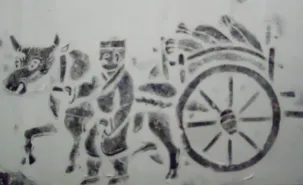
In the south people cut their hair short and go naked, in the north they wear turbans and fur, and, in the middle, they wear caps and skirts. Throughout the nine regions people finding a way to live. Whether they farm or trade, hunt, or fish. Their way becoming as second nature as wearing furs in winter and thin cloth in summer. Traveling by boat on the water and by cart by land. Everything done and grasped without speech  and achieved by nature. Without knowing how, simply remembered.
In another place, in the country of Che Mu, things are different. The first son is cut up and eaten so that the mother will be made more fertile. When a grandfather dies, the grandmother is carried off and abandoned as all say that it not right to live with the wife of a ghost. In another place in a country known as Yen Jen, when a parent or kinsman dies, the person’s flesh must be stripped from his body and thrown away before his bones are buried.

And finally, in a place known as Yi Chu, when someone dies those who are left must collect a pile of firewood and burn him on it, so that when the smoke rises, they can say he has risen into the sky.
All the above practices were to be considered the official and established customs among the people. Who can judge them strange? Who can be right?
What can myths and legends be, but stories of how those of long ago lived and died. As we sift through the memories of those who came before us.
Sorting through the remnants of an age gone by. Establishing constraints and practices to help us to live and to die. Learning new and better ways as we go along with no one better or worse in the end. 4/22/95
Number eighty of one hundred fifty-eight entries
Leave a Reply