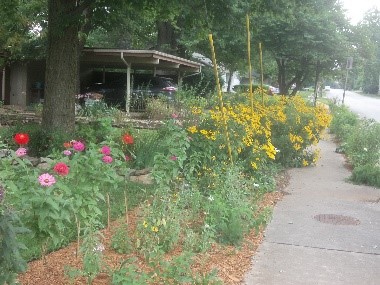
Garden design and planting for bees and butterflies becomes a calling to nature. Giving thought to achievable outcomes with our efforts we continually build on becomes how we perceive our role. How we design our yards and gardens, types of plants, and where we place them becomes important. What kinds of native flowers we plant, and how much time we can spend becomes important to our success. Every situation is a little different. No task is too large if we always proceed asking ourselves… what are the next three steps I need to take.
Garden design is a great teacher. Once we have committed to the effort, we learn the secret. One thing tells us what the next step should be and that we should be open to change. If you are following my writing here, you know that I am writing a parallel column that now follows the I Ching. The meaning of the I Ching, is that it is the Book of Change. Nature teaches us to be open to change for the benefit of universal growth. Things die and are to be reborn again stronger than before. Recent discussions about heirlooms and hybrids, tell us how we become partners with positive growth.
Future entries will focus on what to plant for bees and butterflies, but it is early February with snow on the ground. We’ll discuss types of native perennials we can focus on later. Except you can look back here to my twelve favorite perennials that I plant and encourage others to grow.
For now, today, let’s focus of what we can do to create an environment for bees and butterflies. How do we design our gardens and yard as a beacon for them. Tomorrow we’ll talk about attracting and caring for birds throughout the winter months.
Leave a Reply