Taoism and Lao Tzu

When I think about adding to what I wrote twenty-five years that was published in 2006 as my own commentary, or version of Lao Tzu’s Tao Te Ching, the first thing I ask myself today is “how well does what I wrote back then hold up now”. I think pretty well.
Having traveled over the years in China and seeing the places Lao, Lieh, and Chuang Tzu would have traveled, and having a much better idea or picture of how history has held up over time, writing a new commentary now, it’s like seeing the nuances of Lao Tzu in person.

I have never seen my study as being outside the content of what Lao Tzu was saying, but rather the continuation of his story and the Tao for the benefit of actually living history.
Not so much seeing China and history apart from and outside myself but becoming totally emmeshed into the story myself.
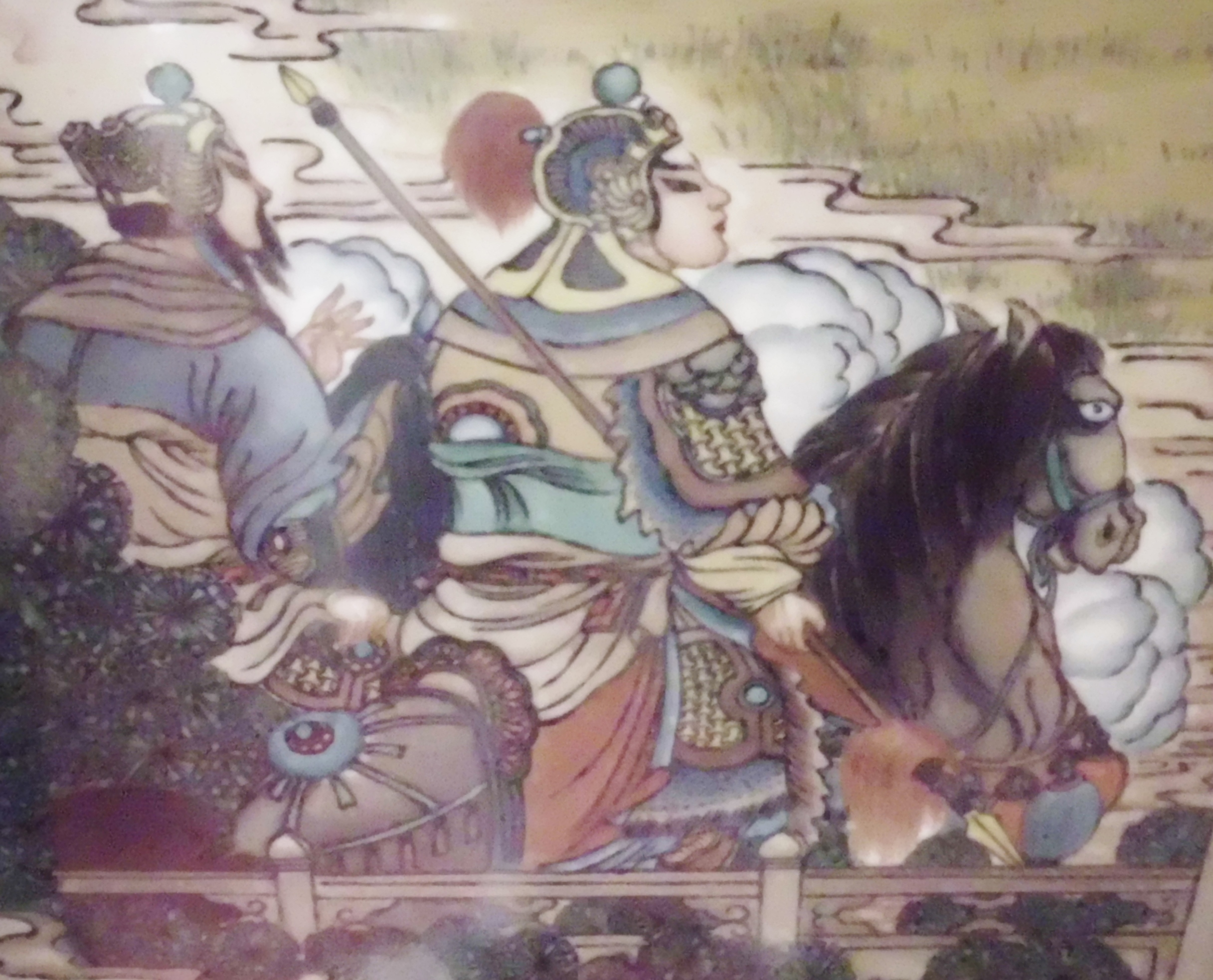
Why incorporating the dragon and the sage, often used as metaphor becomes so important. Its understanding the true intent of spirit and adding to your own “body of work” that lives beyond yourself in others. Combining history, a vivid imagination, pictures and places you’ve been and revisited, that add credence to the written word.

Lao Tzu’s legacy became important because other people could see themselves in what he was talking about. Seeing past our human frailties knowing mistakes in judgment are inevitable but the more we can see ourselves as a guest here to do no harm, we can be a better host of the outcome.
Chapter/verse sixty-nine begin with Lao Tzu discussing that in warfare that it’s better not to act as the host and instead as the guest. Rather than advance an inch it’s better to retreat a foot. That ultimately no fate is worse than having no enemy.
Why commentaries became so important over the centuries, they help us to see things in different ways beyond our own thinking adding both insight and perspective. Like wrapping our thoughts around words in a different way we might have missed if we only see things from the context with what we think we know.
I like the commentary by Wu Ch’eng (1249-1333) who was a great writer in the Yuan dynasty who gave us a unique insight to the Lao Tzu, who says,

“Those who go to war form themselves into two columns, equip themselves with weapons, and advance against the enemy. But when the sage goes to war, he acts as if columns did not exist, armor did not exist, weapons did not exist, as if all enemies did not exist.”
Lao Tzu says that without an enemy we would lose our treasure thus when opponents are evenly matched the remorseful, or the one who feels grief prevails.
Political chaos often led the intellectuals or scholars many of whom were Confucian trained Taoists led many to focus on cultivating virtue, health, quietude, and a simple and harmonious life away from the warfare of the era. It was here that it is felt the influence of the stories found in the Lieh Tzu, that I have previously covered, had many followers.
Verse 69 – Conveying the utmost virtue through non-aggression
The sage is careful not to proceed in anger or acrimony. As everything under the sun comes to pass is not it our responsibility to look for the perfect solution. He sets the example for others to follow.

He knows full well that as quickly that anger can turn to joy, that joy can respond in anger and to what end. As he follows his mentors, he is reminded that throughout the ages those who think means can justify the ends have accomplished nothing.
This is why the age-old analogy that nothing can be right if it can be right for one and wrong for another. How can the Tao support one and not the other?
This is why the sage leads by example with the foremost desire to remain empty and still. That “doing nothing” is simply emptying your mind and body of anything foreign to the Tao, as no one can fight against nothing.

In ancient times, long before Lao, Chuang, Lieh and even Confucius, everything remained perfect. The perfect army was not armed, the perfect warrior was not angry, the perfect victor was not hostile, and the perfect commander acted humble.
It is the sage’s highest aspiration to remind others of from where they came and to convey the utmost virtue of non-aggression by using strength and weakness of others to show the way.
To be reminded of from where he came, as if from above. While his heart remains below uniting all things under heaven and the Tao. Is not this his ultimate purpose?
Maintaining ties with his old friends to move all those around him towards their proper end.
69. 和平以播德
圣人小心翼翼,行事时不生气或刻薄。阳光下万物来来往往,我们没有责任去寻找完美的解决方案。圣人树立榜样让众人跟随。

圣人完全明白,生气变成快乐之迅速,就跟快乐变成生气一样。当圣人跟随他的宗师时,
他常常被告诫,从古到今,卑鄙的人到头来一无所获。这就是为什么古语说,如果对一个人来说是对的,对另一个人是错的,
那就不可能是对的。道怎能支持一个人,不支持另一个人呢?这就是为什么圣人用虚空和宁静为榜样率领众人“无为”就是澄清与头脑和身体无关的东西,因为没有人可与虚无作对。
古时候,在老子,庄子,列子和孔子时代之前,万物皆完美。完美的军队没有武器;完美的武士没有愤怒;完美的胜利者不具敌意;完美的指挥官非常仁慈。
圣人的最高愿望是提醒众人他们来自何方和通过利用别人的优缺点来宣讲道德。
圣人到底从何而来?他似乎是从天而来。在上天和大道之下,圣人虚心地联合万物。
这不正是圣人的最终目标吗?
与老朋友保持联系,把他身边的人推向适当的终点
Leave a Reply