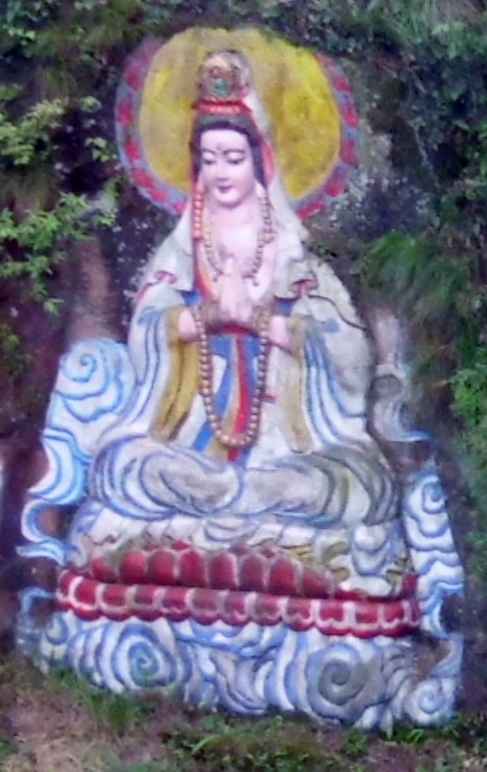
The idea of constancy, or what becomes prevalent, becomes most apparent when referring to the family. References here refer to the woman, or mother practicing constancy as those things that remain fixed, or constant. The idea within the Tao (Taoism), is that each family member is to cultivate his or her highest endeavors for the benefit of their own family. That we are incapable of understanding the affairs of other people outside the family, if we do not appreciate and understand the unifying principles of our own.
In Indigenous populations throughout time, it has been the wife/mother who was to stabilize the family structure and in affect the entire community. Teaching children their place, making certain they stayed with their overall education, respect for nature showing others by example their place in the scheme of things, assisting their children to find their own proper niche that fit their talents and personalities. When everyone in the family behaves properly as the Tao teaches, then the Tao of the family is fulfilled. This is exemplified in the Confucian ideas of familiar piety.
The I Ching, yin/yang, has always been the underlying concept that has been built upon over time. In general terms, filial piety means to be good to one’s parents; to take care of one’s parents; to engage in good conduct, not just towards parents but also outside the home so as to bring a good name to one’s parents and ancestors; to show love, respect, and support; to display courtesy; to ensure male heirs; to uphold fraternity among brothers; to wisely advise one’s parents, including dissuading them from moral unrighteousness; to display sorrow for their sickness and death; and to bury them and carry out sacrifices after their death. Filial piety is considered a key virtue in both Chinese and other East Asian cultures. Similar attributes can be found the world over.
Number 37 of the I Ching
Family Coming Together as One
Family coming together to reminisce and recollect past times spent together as one.

Not about barbecues in summer or seeing one another over holidays soon forgotten. But now as adults scattered over the globe only seeing each other in times of transition. Memories of past events becoming the only signpost of who we were long before we became who we are now.
Our father long past but cherished for memories of what he meant to each of us. Much too late to get to know the man he really was. Brothers and sisters spread out in age over time, distance and generations. Twenty years of differences overshadowing anything remotely familiar. Never close enough in time to know each other as we should or would have liked. Past indiscretions and anger for things that should have been forgotten find time to resurface only because we see the worst of ourselves in each other. As we are still holding onto things meaning nothing long gone by.

Mother with her own faults and indiscretions, though always meaning well destroying what might have been for all. Still with difficulties seeing us as adults and always fearing the worst may happen in any event instead of simply recognizing change as inevitable.
That truth and security is for each to find only for us. Beginning to find common ground again requires mutual respect, caring and understanding. To stop every conversation starting with I want and begin instead by stressing I’ll give. Unfamiliar discipline should be found and come to be shared by all and all may be well. If only perhaps for the first time.
An original composition and interpretation of the Chinese Classic the I Ching (37 THE FAMILY / Wind over Water). 3/3/94
Leave a Reply