Taoism and Lao Tzu

Looking back at what I wrote twenty-five years ago and comparing it to my writing today, I think about the Master Gardener’s role in striving to reflect the wisdom of the sage, and how we aim to mirror nature in every word, action, and deed. Our actions are meant to embody this image, showing how far we’ve come and guiding us on the path ahead. It’s like having a weathervane to show which way the wind blows.
As though we have received the clarion call to continue taking action…. to make mid-course corrections for the benefit of both us and others. I first became a Master Gardener when I lived in Massachusetts in 1995 and am a Master Gardener, Emeritus, now in Springfield, Missouri.

In chapter fifty-four of Lao Tzu’s Tao Te Ching, we see the ultimate role of our connection to both nature and spirit, as though the universe itself is calling us to continue stepping forward.
It compares our actions to tending a garden, inspiring us to show the same mindful care for nature and nurturing as we do for the ongoing, lifelong growth of our spirit. It’s not just around us—it envelops and becomes part of us as we learn to reflect the eternal.
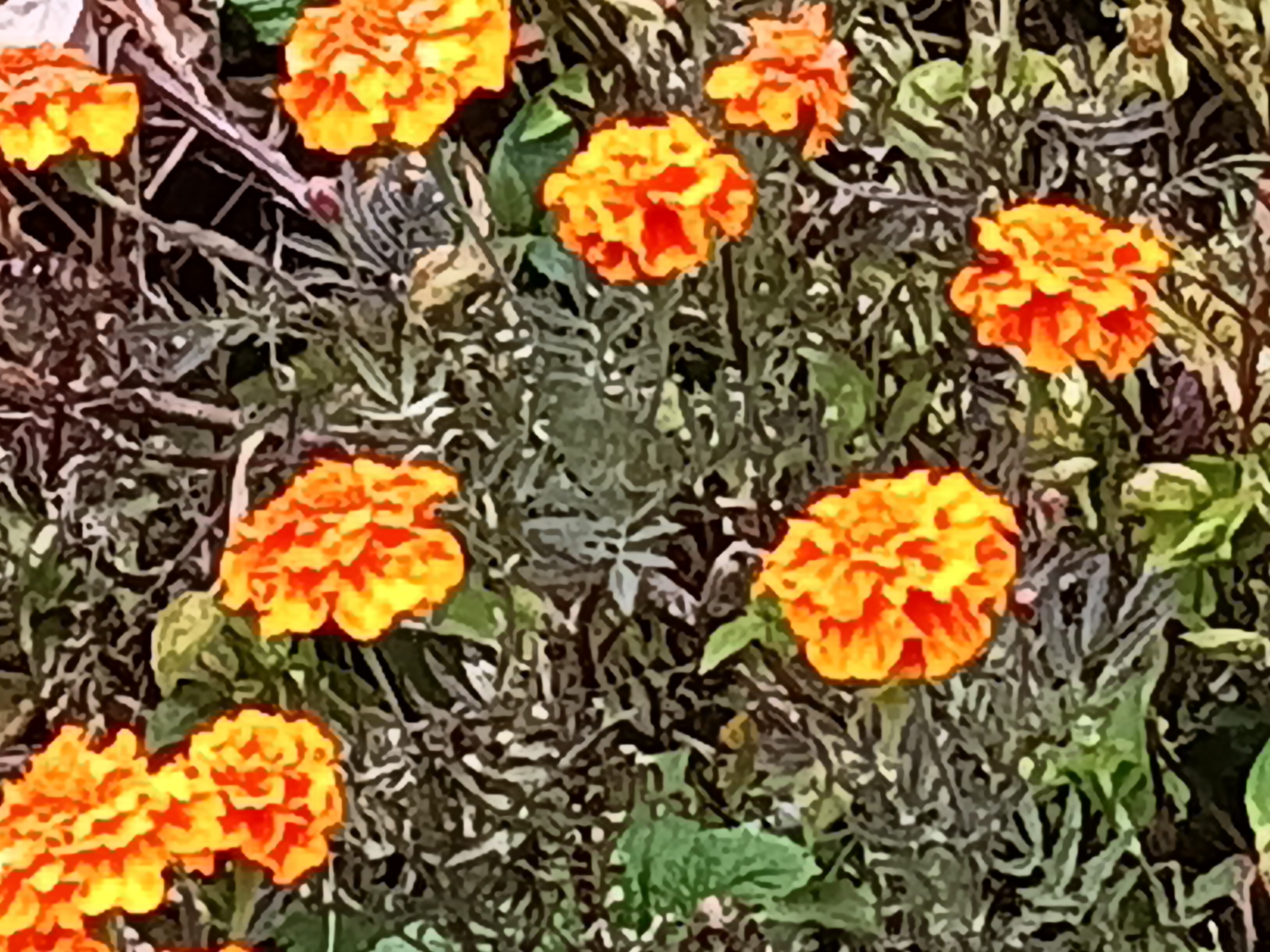
In the garden success can be measured by knowing the right time to start our seeds in the Spring and caring for our young plants.

Placing them outdoors in a safe spot helps them harden off and adjust to cool nights aware of the date of our last freeze warning. It’s like prior planning and knowing the outcome before we speak, ensuring our words aren’t uprooted or torn down. When firmly rooted and supported, they can’t easily fall or be pulled away—just like the institutional memories we’ve nurtured, which are vital to our success.
Our words are rooted in our authenticity and compassion, as we embrace our timeless roles as both teacher and student.
As we strive to become skilled storytellers of our own lives, with the sole responsibility of living and sharing our memories of who we’ve always been for the benefit of our own eternal growth and those who may be listening.
Lao Tzu reminds us to be mindful of what we choose to cultivate. To cultivate is to prepare and improve land for crops or our garden, to grow or care for plants, and to foster or develop something. When we nurture qualities like spirit, our virtue becomes authentic and true.

Historically, the Tao Te Ching has been valued not just as a guide for governing a state, but as a way to understand how we are meant to govern ourselves and our approach to nature.
The value of putting things in context for the widest audience is showing that virtue is universal. The Tao teaches that it applies to everything to what the ancients called “the ten thousand things”.
Of which those who we consider as human are just one. Presenting ideas so they can be understood by everyone reaching the widest possible audience, which is to say why the qualities linked to our garden work so well.
Chapter/verse fifty-four goes on to remind us of what is called filial piety. Filial piety is the virtue of exhibiting love and respect for one’s parents, elders, and ancestors within the context of Confucian, Chinese, Buddhist, and Taoist ethics.
Lao Tzu continues,
“It begins when you cultivate virtue in your person becoming genuine and real. Cultivated in the family virtue multiples and overflows, cultivated in the city or town where you live your virtue will be long-lasting, cultivated in the state, your virtue will be seen as abundant, and finally, when you can cultivate this throughout the world, your virtue will become widespread”.
Verse 54 – While cultivating his garden the world comes forward to find the sage.
What is this thing called virtue and this personal quest we each must come to know?

Where does virtue begin and how does it grow and manifest to guide us once we see ourselves in the Tao?
Once found, how do we let our virtue transcend our everyday desires so that we may see beyond ourselves to discover our rightful place in the universe?
To the sage the world reaches no further than his garden. He remains guided by planting things right so they cannot be uprooted and knowing what is nurtured cannot be ripped away.
He cultivates his garden as if tending his virtue. He then cultivates others by reaching out to bequeath what is noble, pure and found only in the Tao.
Cultivating ourselves our virtue becomes real, cultivated in our family it multiplies, in the place we live virtue only increases and we prosper. In the world virtue thus expanding everywhere.
In both perceived beginnings and endings, the sage looks no further than within himself. Staying completely still, within his true self the world comes forth to emulate him.
54. 圣人耕园,世人寻觅

大德这东西是什么?
我们的个人追求是什么? 大德从哪里开始?
如何积德?当我们在道时,大德又如何指导我们?
如何让大德超越我们的每天欲望,使我们看到更远,找到我们在宇宙的地位?
对圣人而言,这个世界并不比他的花园大。他擅长种花植草,懂得种什么不容易被拔起。他耕耘花园,如同呵护自己的大德。然后,圣人用道的高贵和纯洁培育众人。
自我修炼,得到真德。与家人一同修炼,全家积德。在我们生活的地方修炼,大德徒增,万事如意。大德蔓延到世界的每一个地方。
从始到终,圣人只注重内在,恪守心灵深处的绝对宁静,世人纷纷前来仿效他。
Leave a Reply