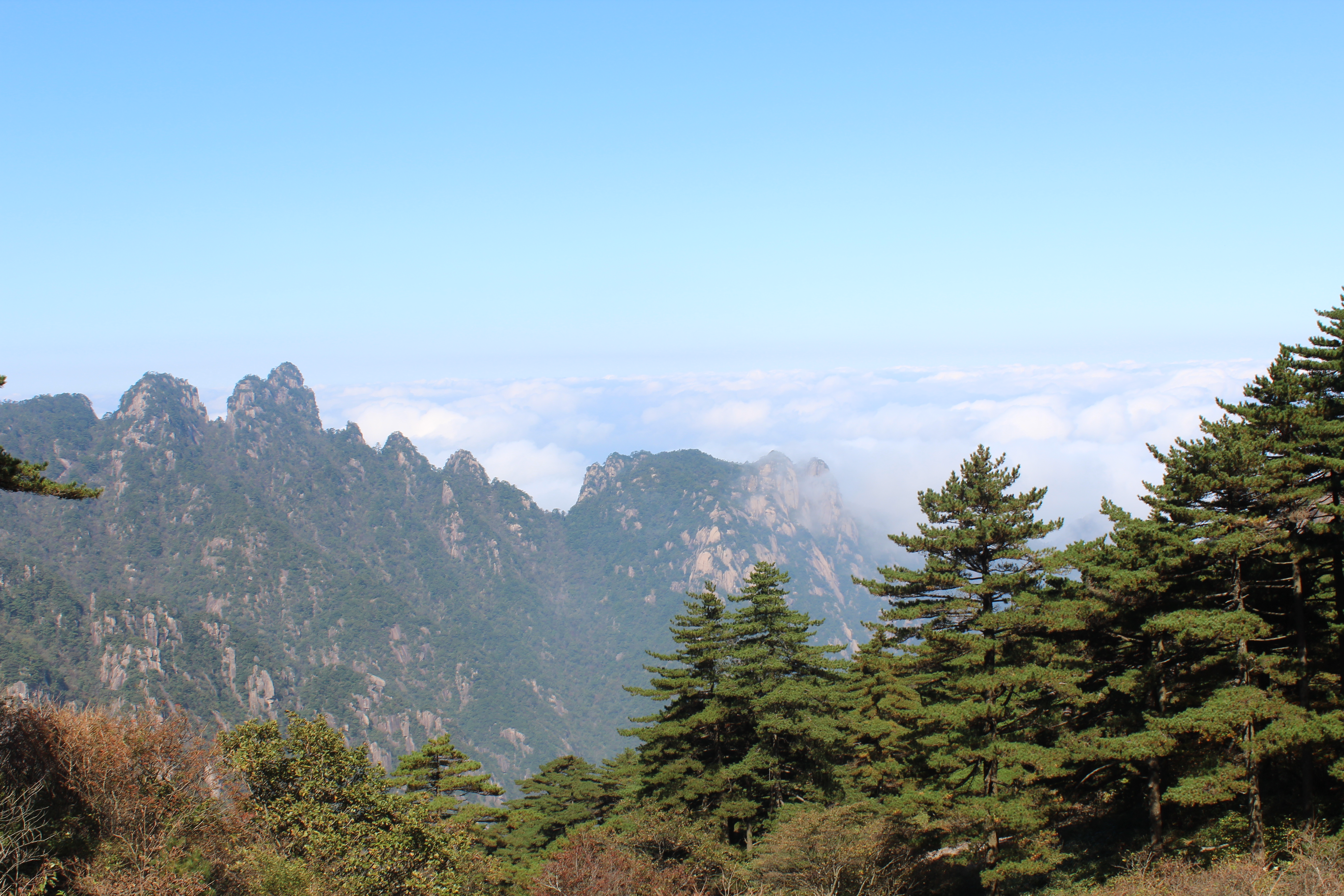
We are meant to be co-creators with the universal flow of the cosmos and nature, each of us with a task we are meant to discover and pursue. To go as if you are traveling to new heights just beyond the ridgeline. This commentary serves as an update to what I wrote thirty years ago in “My Travels with Lieh Tzu – Interpolations along the Way,” available on my website. This entry concludes the chapter entitled “Yang Chu”.
 It is a style of writing meant to provoke thought, to question what we believe we know, and to highlight how little we truly understand when guided by earthly possessions and ego.
When reflecting on what shapes our thoughts and actions, we must ask: what do we follow but the memories we have formed, adhered to, and largely forgotten over the centuries and just where is that portal we are to look to and find?
When we begin to recognize our role as this universal flow, we begin to ask who we are co-creators with and what is it we are meant to do or say. It feels like having multiple audiences who are truly our peers across time and space, with no beginning or end—just ongoing revelations that add to the story.
Chuang Tzu suggests that we do not die in the traditional sense, but rather that death is part of a continuum of our spirit. Similarly, others have explored how to reconcile their lives and emotions toward death, going beyond what is discussed in The Book of Lieh, as written by Lieh Tzu. With others adding to the text wanting to get their own two cents into the conversation, as we have seen here in this chapter.
Seeking a way to express their own perspective on how life should be lived, it’s believed that the greatest storytellers and writers throughout history always have more to contribute as their death is not the end. Their restless spirits seem eager to share the crucial parts of the narrative that remain untold.
In this chapter called Yang Chu, we discover that there is always more to the story than what was initially apparent. As time has passed, we are left to ask or ponder, “What has the creator left behind for us to re-create for ourselves and others?” Reminding us that there is always more to the story waiting to be told and that no one is meant to get the last or final word on the subject.
My travels with Lieh Tzu / Interpolations along the Way
Chapter Seven – Yang Chu
105. Saying good-bye to Yang Chu
In retrospect, or in looking back, Yang Chu concludes by saying what can one need outside oneself but a grand house, fine clothes, good food and beautiful women? However, one who has them but continually desires more and more with such an insatiable nature, loses his vital forces.
Has not all this simply been a way to find yourself without looking back? As if Lieh Tzu is teaching you the moderation you need as you continue your travels both here and upwards to destinations just beyond today’s reach.
Beyond the edge. Something though always there that you cannot quite make out. As if a mountain peak above the clouds. From below the peak your path is obscured by clouds so that it remains unseen. However, your own common sense tells you the peak is still there.
Is not the purpose of the journey to continue upwards, above the ridge line. Where the air becomes thinner and thinner. So that one day you have simply become a part of it all. Your eyes feasting on the mountain’s peak that confirms your destination.
 Coming back to earth, you are torn between your place in worldly affairs and you desire to remain as the sage in his mountain retreat.
As you are constantly reminded that you are not ready to leave just yet. While you are still here, is the task at hand any less than the journey you are about to take?
Questions of loyalty abound. Remaining loyal to others can only in the end endanger ourselves. Being dutiful cannot be enough to benefit others when all it can do is interfere with one’s life.
When it is seen that there is no safety that comes with loyalty, a good reputation is always the first to disappear. When it is seen that duty cannot benefit others, the good reputation of the dutiful will also end. Is it not only when both parties become safe that both others and one can benefit?
What can it all mean in the end? How can one benefit others, when in the end your journey to mountain vistas must be a solitary retreat where only you find comfort? Everything occurring in the interim is only a reminder of who you are yet to become. 7/27/95
(Reminder to the reader that this entry was written more than thirty years ago).
Number one hundred twenty-one of one hundred fifty-eight entries.
Leave a Reply