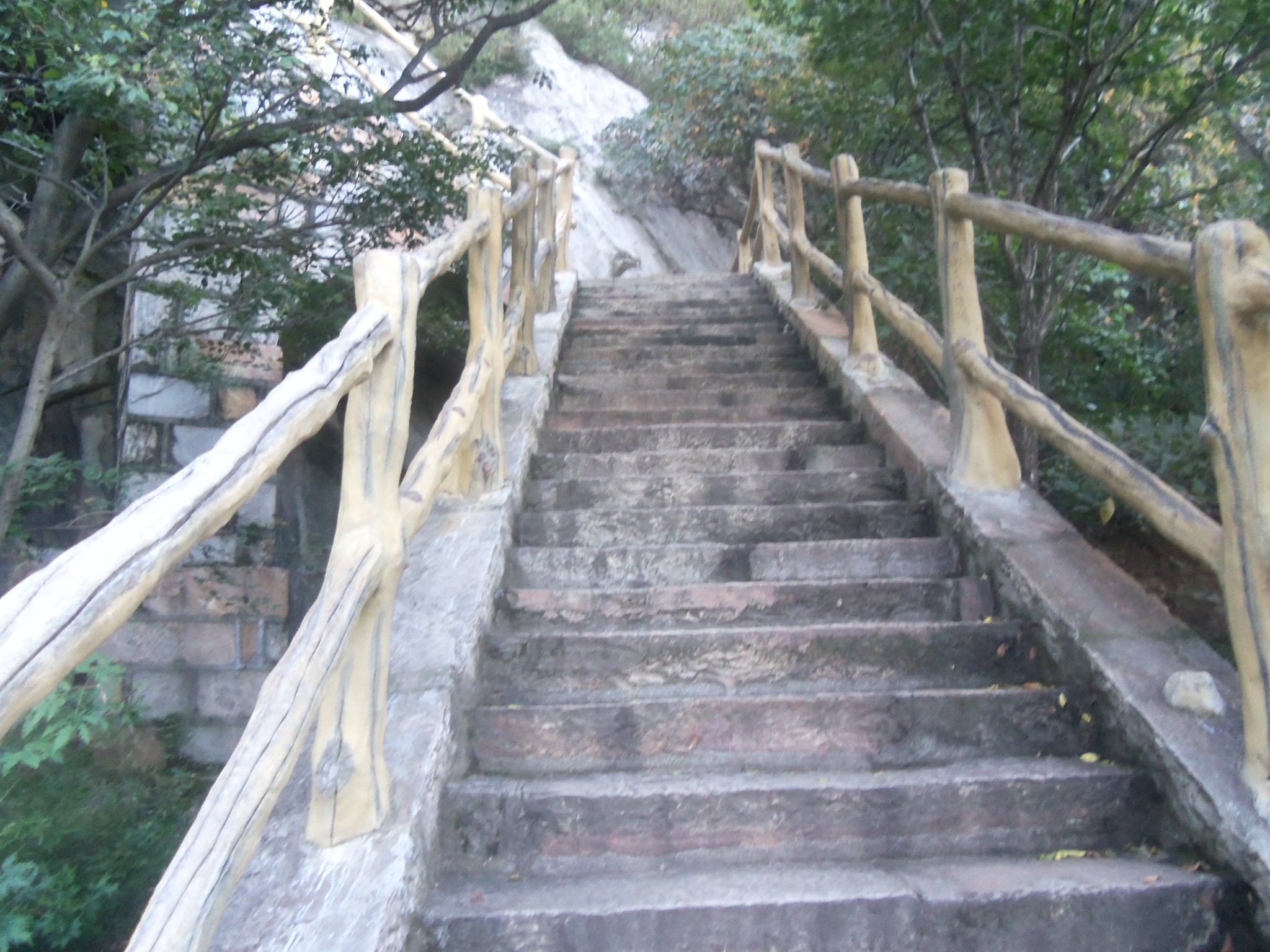
How can we shape our lives to reflect our highest aspirations, or discover what those aspirations truly are? How do we take that quiet inner voice and lift it to heights we once thought unimaginable or out of reach?  Who are we at our center or core, and how might eternity and the stars from which we came guide and nurture our spirit, helping us find the path that leads us home?
Are we here just to drift along unknowingly without knowing what lies within us, or let questions of our authenticity decide for us? And what are we to do when that spark ignites into a flame that serves to guide us?
For me, the true strength of Taoism lies in exploring an unknowable source and finding a clear starting point, where we have the freedom to set our own boundaries. Without rigid, overarching principles, we look within ourselves to discern what is right and wrong, staying in harmony with the flow of the universe—much like Lieh Tzu’s image of resting on clouds in the sky, as if pausing while riding the eternal winds of change and the cosmos.  Our biggest challenge is finding the right tools and connecting with our innate nature, where structure and discipline come from within us rather than being imposed by others. Letting go means allowing a greater source, one we may not have recognized, to guide the way.
I think one of the biggest mistakes we make is becoming lazy in our indifference, finding comfort in the status quo.  We fear discovering who we truly are and making changes that push us into unfamiliar territory with uncertain outcomes, so we choose to stay who and where we are.
That quiet inner voice often goes unheeded or unheard as we allow others to shape who we are and who we’ll yet become. I like to search for words I don’t often use, ones that perfectly capture the direction I want my writing to take that helps to tell the story.
One such word is featured in the story below, entitled “Serendipity to Die For”. Serendipity is often described as the knack for stumbling upon something valuable by chance, whether through random encounters or the kind of luck that leads to unexpected discoveries. Sometimes, unfortunate outcomes are blamed on unrelated events that seem connected, even when there’s no real link at all. Like loose tile falling from the roof in the story of Ben Hur as the general passed by changing the course of history.
My travels with Lieh Tzu / Interpolations along the Way
Chapter Eight – Explaining Conjunctions
129. Serendipity to die for
In the end it is not a series of unrelated events that always come forward to have the final say. How can something be pre‑determined when events are out of control telling us otherwise? With serendipity telling all as it looks to explaining conjunctions along the way. 
If both good and bad are simply waiting for their turn to come forward, is not the outcome the true essence of both yin and yang getting better acquainted? While everything remains the same.
Does the Tao not teach us to simply stay within ourselves with no need or desire to control events? With the dragons always close by to remind us of our obligation to destiny.
Lieh Tzu tells us of the story of a rich family headed by Mr. Yu who lived in Liang. His family was at the height of prosperity, and he had more money, silk, and property than they could count. One day while at leisure, he climbed a tall house overlooking the main road leading up to his estate. Called for music and wine and played games of fish while looking down at all that he possessed. One of the players made a lucky draw and laughed as he turned over two fish.
Just as they were at their most boisterous and laughter could be heard at some distance, several soldiers happened to be walking below along the road.  A kite, or red‑tailed hawk, flying above dropped a moldy rat which happened to hit one of the soldiers. The soldiers thought the laughter coming from above was at their expense and thought the moldy rat may have been thrown from the rooftop.
The soldiers were incensed. They felt Yu had been rich and happy for too long and always treated others too lightly. Here they had done nothing to offend him, yet he insulted them with a moldy rat. How could they not avenge such a slight? They felt that if they failed to avenge such a slight the soldiers in this region would lose their reputation and there would be nothing Mr. Yu would feel he couldn’t do. As soldiers, their reputation was at stake in the eyes of the world. They agreed to unite, bring all their fellow men‑at‑arms, and exterminate the family. On the appointed night, they came back and killed Mr. Yu and his whole family.
 A few days later it was reported to the magistrate that the soldiers had been seen close by on the night Mr. Yu and his family were killed. The soldiers were brought forward to explain their whereabouts and if they were responsible.
Several witnesses had come forward to say that the soldiers were guilty and in unison asked: “What could they say for themselves for killing such a rich and respected family?”
The soldiers told what they saw as the truth. A few days before they were passing the estate of Mr. Yu and a large moldy rat came down upon them just as they passed Mr. Yu and his party. They felt, as soldiers, they could not live with such a slight to their reputation and admitted their deed to the shock of all assembled. Just then a man came forward to say that he had been present when the moldy rat hit the soldiers. He had been watching the kite struggling to carry the rat and had seen it drop onto the soldiers. He said he remembered because he laughed at the time and had gone home to tell his wife of what happened, and they had had a good laugh at the soldier’s expense. The man’s wife stepped up to confirm his story.
It was the soldiers turn for shock now as they argued that they had been hit by the moldy rat and were convinced that it had been thrown from the ramparts above. And were incited by the laughter they just knew was at their expense. The magistrate was at a loss initially for the proper punishment and decided the soldiers should be held until the next day. Then he would render his decision although he wondered what action he would take. Early the next morning the soldiers were led out to the courtyard. People from every corner of the province came as word had traveled as to the unfortunate death of Mr. Yu and his family. 
Everyone strained to hear the verdict of the magistrate and could not see how the soldiers would live if justice prevailed. The magistrate began by saying that Mr. Yu and his family had been among the richest in the region and had grown a little high and mighty at the expense of others. Looks of agreement were seen throughout the crowd.
Until someone yelled:
“Ya, but what’s to die for. Some moldy rat he didn’t even throw!” Restoring order, the magistrate continued: “Can killing the soldiers for a mistake they made bring them back. They should be punished ‑ yes. What should their punishment be?” Another person said, “Kill them all! Kill them all!”
Came cries from the crowd. The magistrate said yes, yes, but… Before he could continue the soldiers said their concern for their reputation had done this, then looked at each other and out upon the crowd. Then grabbed weapons that were nearby and each in turn killed himself. 8/21/95
Number one hundred forty-six of one hundred fifty-eight entries.
Leave a Reply