Taoism and Lao Tzu

The Latin verb scandere means “to climb”, so transcend has the basic meaning of climbing so high that you cross some boundary. A transcendent experience is one that lifts you beyond yourself, making you believe in a greater life or existence—something akin to the spiritual. The idea is to move past our current limits to reach our highest goals and true destiny.
The American writers and thinkers known as the Transcendentalists, including Ralph Waldo Emerson and Henry David Thoreau, believed in the unity of all creation, the basic goodness of humankind, and the superiority of spiritual vision over mere logic.
When we speak of the transcendent importance of an issue such as climate change, we may mean that everything else on earth actually depends on it.
One of the things that always caught my attention while traveling around China was the deep respect for their history. Having Confucius as a revered figure certainly plays a role in that. What we in the West might call parks often showcase historical elements, with each city and town highlighting something from their past that reflects their unique role. It feels like everyone has a personal stake in preserving and celebrating it. Even to the point of referring to these historical parks as temples. Many of them over a thousand years old.

Examples of people seeing beyond themselves to what we would call “the greater good”. When I often met with city planners, their greatest challenge was in keeping elements of their city’s history intact which planning for continual growth.
Their greatest challenge was often the number of cars on street more than a thousand years old. Often, they would build elevated streets and roads above the existing streets so as to not interfere with what would be seen below along the old cobblestone and streets that couldn’t handle the cars, trucks and traffic.

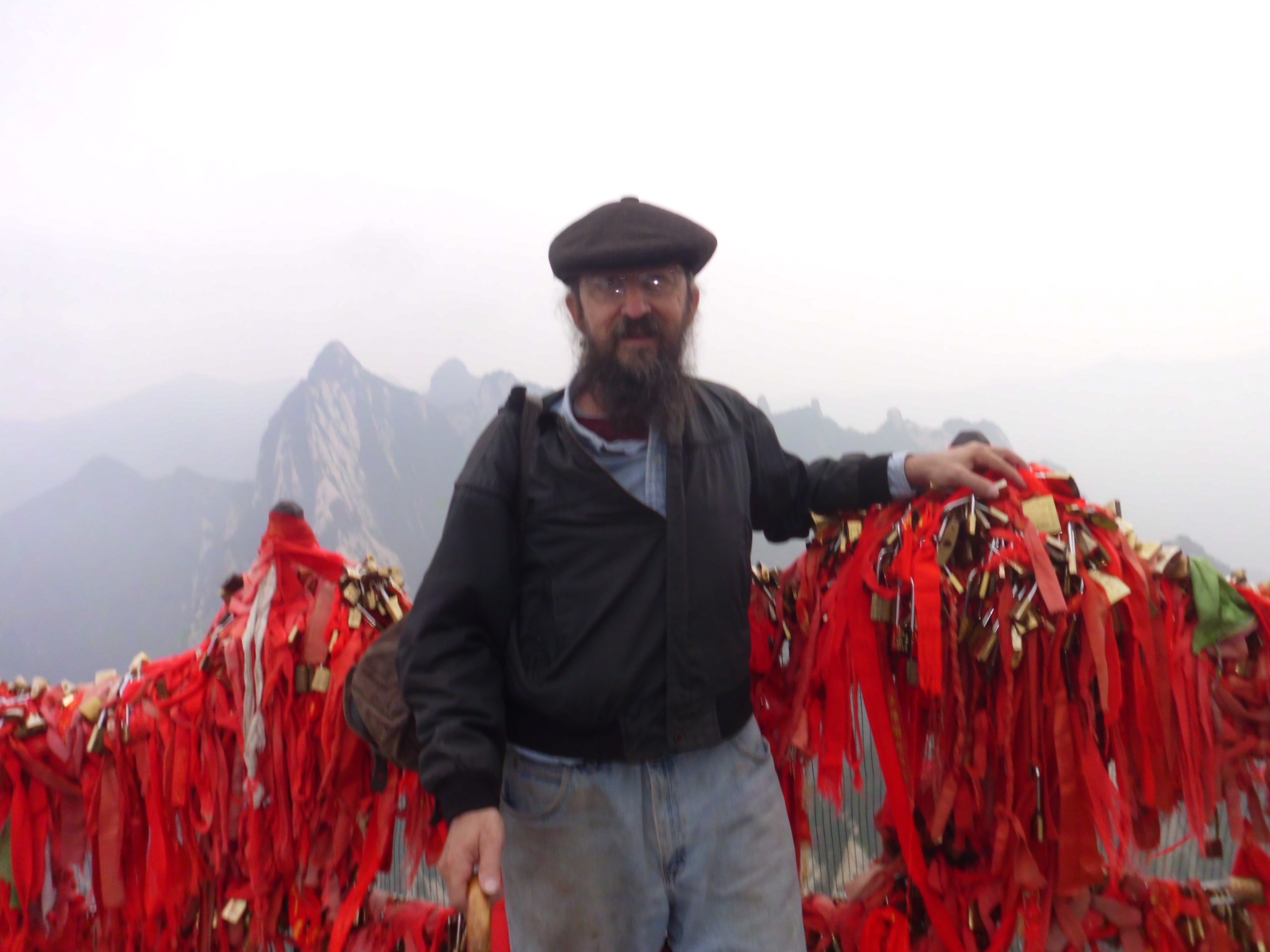
Even mountains play a role with the history of specific people and spiritual meaning attributed to them giving both locals and tourists reasons to go there. The point is that it gives people a solid reason to see beyond the present in defining who they are to something much bigger than themselves.
Preservation becomes everyone’s focus and job. Living in history becomes both an advocation and a personal vocation.
What Lao Tzu teaches us in Chapter/Verse 56 is best expressed I think by the commentary of Te-ch’ing, who was a great Buddhist writer in the Ming dynasty who often made references to Lai Tzu who said,
“The sage transcend the mundane and the superficial, hence he can’t be embraced. His utter honesty enables others to see; hence he cannot be abandoned. He is content and free of desires; hence he cannot be helped. He dwells beyond life and death; hence he cannot be harmed. He views high positions as so much dust, hence he cannot be exalted. Beneath his rags he harbors jade, hence he cannot be debased. The sage walks in the world, yet him mind transcends the material realm. Hence he is exalted by the world.”
Before we go on with Verse number 56 of 81, it’s worth noting that the title of the book we’re adding commentary to—Lao Tzu’s Tao Te Ching—is my own version, titled “Thoughts on Becoming a Sage: The Guidebook to Leading a Virtuous Life”. It’s important to note that Lao Tzu wrote the Tao Te Ching in the sixth century BC, while I wrote mine in May and June of 2000 and published it in China in 2006.
Verse 56 – You must be the change you want to see in the world.
Should the path of the sage be drawn to only finding his own place in the scheme of the

universe once he becomes the embodiment of the Tao, or should he depart from his first inclination and devote himself to bringing others along the way to find it for themselves.
Following his instincts, he knows he must first find comfort in where he has been, where his path leads and where his final destination will take him.
Once he is self-assured that he speaks with one voice and his actions speak for themselves, he can begin preparing for the greatest challenge the Tao and the universe can offer.
For thousands of years the sage has taken the back seat in the development of the world. Preferring to follow the traditional path to enlightenment concerned only with his own path, his own voice and his own actions.
His virtue alone carries his spirit from past encounters along destiny’s doorstep. How much greater his role could be if he could use his place in the Tao to lead the way.
Giving others his light, they too can perhaps begin to shine their own and find their own path as well. To be the door others can use to open their own spirit to find their way. This could be the ultimate role of the sage, his highest endeavor.

To lead without harming others and to live as Gandhi said… “You are to be the change you want to see in the world,” by doing nothing more than by simply showing the way.
56. 你必须是世界的变化
如果有朝一日圣人得道,他应该寻找自己在宇宙的地位,或者改变初衷,率领众人寻道?
圣人的直觉告诉他首先必须在道带他去过的地方和他的最后归宿寻找安逸。
一旦坚信他能够用一个声音说话,以行动代替语言,他就能够开始准备面临道和宇宙的挑战。
几千年来,圣人在世界发展过程中总是置身殿后,他宁愿采取传统的启导方式,关心他自己的道,思想和行动。
只有他的大德把他的精神从过去带到命运的门阶。如果他能够利用他在道的地位率领众人,他的作用就更大了。
如果他把光辉留给众人,众人或许利用这些光辉照耀自己,寻找他们的路。圣人变成众人打开精神和寻找大道之门,这可能是圣人最大的作用和努力。
率领众人,但不伤害任何人,象甘地所说的那样活着。
Leave a Reply