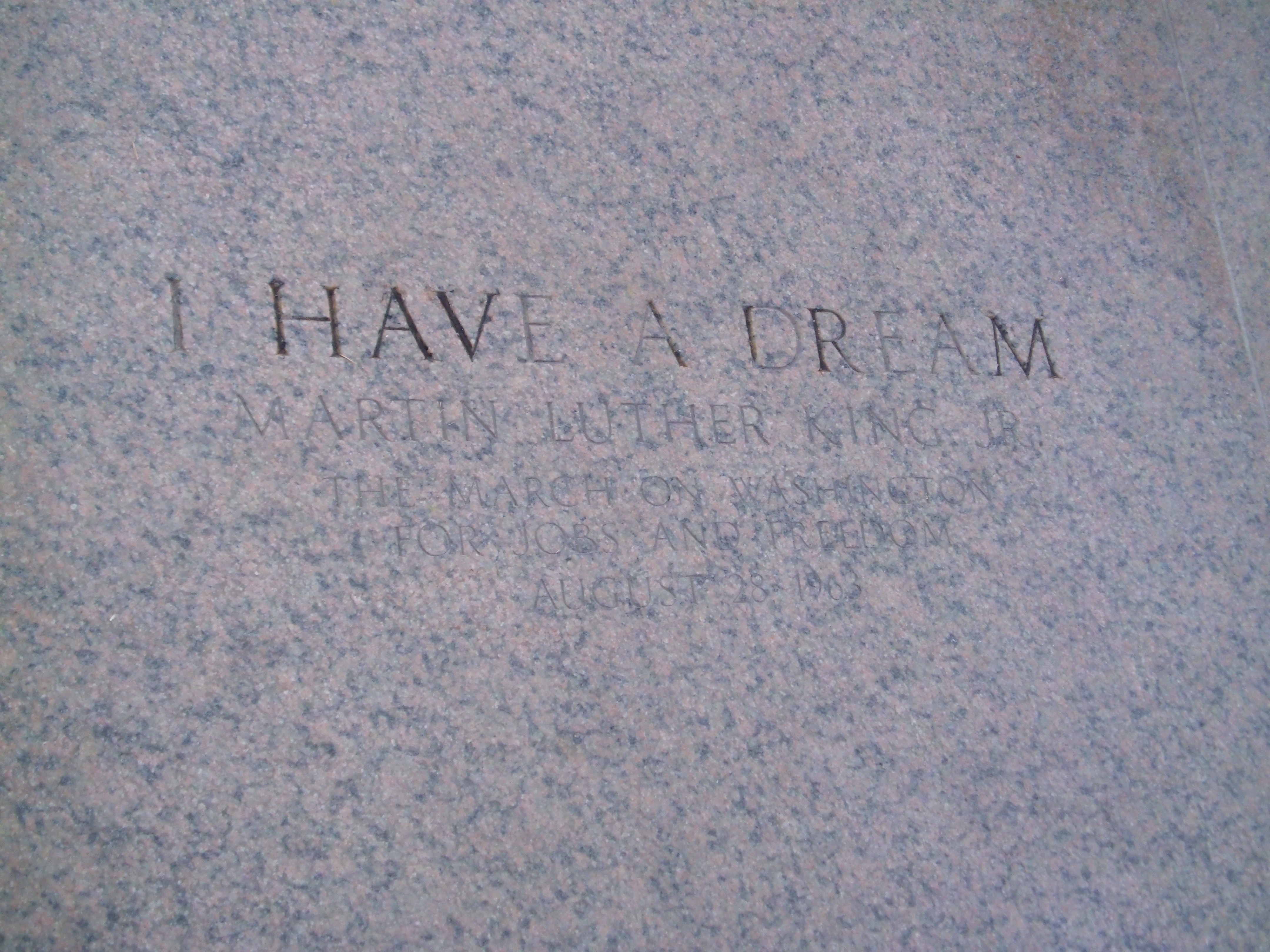
It’s not really too visible, but the picture above is the location at the Jefferson Memorial of the place on the mall where Martin Luther King, Jr., gave his famous “I have a Dream” speech in 1964. I took the picture in January 2013 while I was in Washington DC for the Obama inauguration.
Taoism and Lao Tzu

When I think about why we celebrate Martin Luther King Jr. today, I’m reminded of the kindness and compassion we’re all meant to share and value. This national holiday isn’t just about having a day off work, but about reflecting on the mentors in our lives who act as our “spirit guides”.
It’s about reflecting on who inspires our better selves to take action, reminding us that we are all connected and moving together toward a better path or way.
When we listen to the eternal spirit within us, we realize we are never truly alone. This inner voice is connected to an endless thread we are meant to first acknowledge, then understand its purpose—to weave virtue into our lives. Virtue should be seen as a lifelong journey to guide our thoughts and actions toward doing no harm.
Lao Tzu often describes this as either “higher virtue” or “lower virtue”, using language like parables and riddles for us to interpret and find our own understanding. While the Way of the Tao can be shown to us, we must take our own steps to truly embrace it.

We don’t give a name to virtue because it’s simply the Tao in action. What we’re doing here is shaping our own take on the Tao Te Ching as we honor the mentors in our lives who’ve served as guideposts we choose to follow through our actions.
Today, thinking about MLK, his thoughts and words didn’t happen in isolation. He understood oppression and the essential role of dignity for the human spirit to thrive, as well as the importance of education and opportunity being available to all.
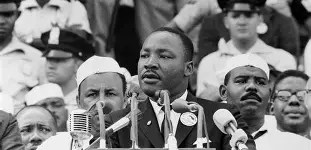
In his famous “I Have a Dream” speech in Washington, he spoke to humanity’s shortcomings in helping our brothers and sisters to envision the dream for themselves. When he talked about being on the mountaintop and seeing the other side, I believe he was referring to a time of universal love and virtue that some have lost sight of due to self-interest and turning their backs on virtue for all things found in nature.
While traveling in China and climbing mountains, reaching the summit and looking out across the other side always brought to mind MLK’s words about having a mountaintop experience for us.
It felt like an expression of love for nature and a reminder of our duty to embrace the best version of ourselves and truly live the dream—to exist in the presence of those whose voices still call to us each day, urging us to listen and carry forward the thread of virtue they began. Only asking what is it that propels our own highest endeavors and that of others while we are here this time. There can be no greater or higher calling.
Before we go on with Verse number 38 of 81, it’s worth noting that the title of the book we’re adding commentary to—Lao Tzu’s Tao Te Ching—is my own version, titled “Thoughts on Becoming a Sage: The Guidebook to Leading a Virtuous Life.” It’s important to note that Lao Tzu wrote the Tao Te Ching in the sixth century BC, while I wrote mine in May and June of 2000 and published it in China in 2006.
Verse 38 – Learning to see beyond oneself
Instilling virtue within oneself requires neither thought nor effort or action if you are truly in sync with the way of virtue.

The Tao is simply a natural extension of who you’ve been, who you are now, and who you’re yet to become. Virtue is just the embodiment of an essence that flows with the Way. Your part is to stay open, letting every action be an effortless conversation that guides others along the path.
As you look inward to ensure you are ready to move forward with kindness and compassion toward everyone you meet, remember that the sage’s kindness cannot extend beyond fulfilling his own nature. Since his every action is effortless, he gives it no thought.
Looking past what his senses reveal, he simply acts as a natural extension of himself.

His efforts center on becoming the highest version of himself and looking beyond his own limits. By seeing past himself, he embraces the path and meets his destiny.
With a clear sense of his future, he aligns words and actions with reality. He remains humble and values harmony. Looking beyond his own needs, he becomes the bridge connecting all that should unite Heaven and Earth. As a sage, he simply lives the Way of Virtue.
38. 学习超越自我
如果你真的与大德有缘,学习大德不需要思想或行动。

道是你过去和未来的自然延续。大德只是道的化身。你须在每一个行动中保持虚空和不费气力的对话,为众人引路。看看自己,确保你是否具备了足够的慈爱和激情。但是,圣人的慈爱只够开发他的天性。这是因为他的每个行动都是毫不费力,所以他没有考虑那么多。
透过他的感觉,他所做的只是他的自然延续。他把注意力集中在未来的最高影像和超越自我上。他变成了道的化身,前来面对他的命运。
展望将来,他的憧憬与万物和真名相符。他保持谦恭,崇敬和谐。超越自我,他成为了众人在天地之间的联络点。作为圣人,他就是道。
Leave a Reply